


-

Add: HeBei ShengShi HongBang Cellulose Technology CO.,LTD.
-

Email
13180486930@163.com -

CONTACT US
+86 13180486930
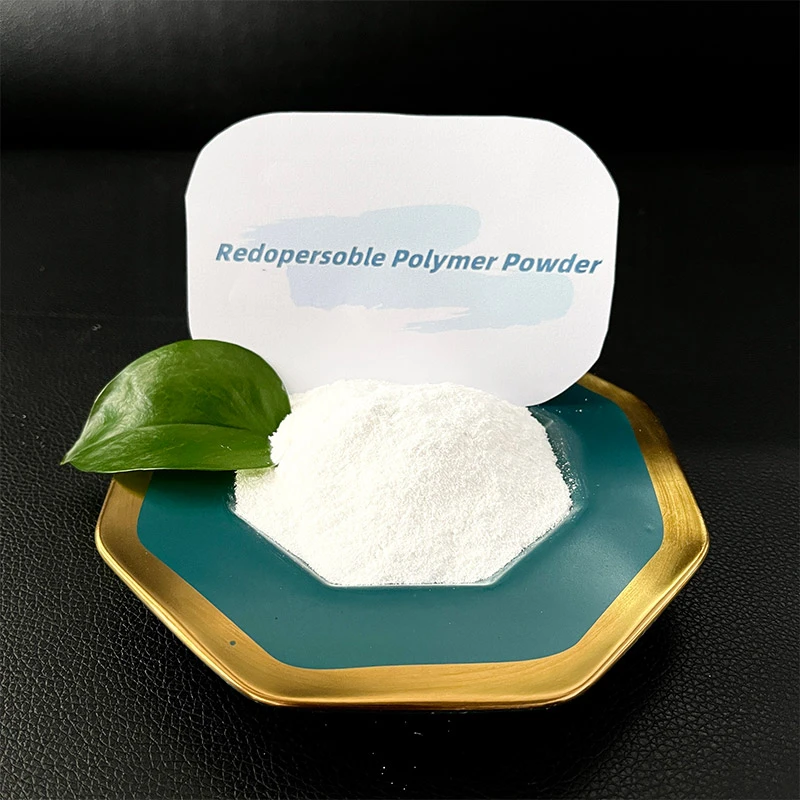
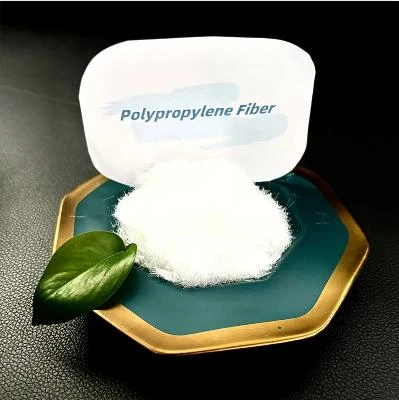


Understanding Polypropylene Fibers for Concrete Slabs Enhancing Durability and Performance In the realm of construction, the search for materials that enhance the durability and overall performance of concrete structures is a constant pursuit. Among various innovative solutions, polypropylene fibers have emerged as an effective reinforcement medium, particularly in the context of concrete slabs or soleras. This article explores the characteristics, benefits, applications, and considerations of using polypropylene fibers in concrete mixtures, shedding light on their significance in modern construction. What are Polypropylene Fibers? Polypropylene fibers are synthetic fibers derived from the polymerization of propylene monomers. These fibers are lightweight, resistant to chemical degradation, and have excellent tensile strength. Due to their inherent properties, they have been increasingly used in various construction applications, particularly as additives in concrete mixes. When integrated into concrete, polypropylenes create a three-dimensional matrix that enhances the material's integrity. Benefits of Using Polypropylene Fibers in Concrete Slabs 1. Reduced Cracking One of the primary advantages of incorporating polypropylene fibers into concrete slabs is the significant reduction in plastic and shrinkage cracking. Concrete is susceptible to cracking as it cures due to temperature variations and drying shrinkage. Polypropylene fibers help to distribute stress more evenly, effectively reducing the likelihood of cracks forming. 2. Improved Impact Resistance The addition of polypropylene fibers enhances the impact resistance of concrete slabs. This is particularly beneficial in applications where heavy loads or foot traffic are expected, such as industrial floors, warehouses, and parking garages. The fibers absorb and dissipate energy during impact, reducing damage and extending the lifespan of the flooring. 3. Enhanced Durability Polypropylene fibers contribute to the long-term durability of concrete. They help to mitigate the adverse effects of environmental factors such as freeze-thaw cycles, moisture penetration, and the corrosive actions of de-icing salts. This is crucial for structures exposed to harsh environmental conditions. 4. Lightweight and Cost-effective Compared to traditional steel reinforcement methods, polypropylene fibers are lightweight and generally more cost-effective . Their ease of incorporation into the mixing process minimizes labor costs and simplifies transportation and handling. 5. Aesthetic Benefits When polypropylene fibers are used in concrete mixtures, they can help provide a more uniform and aesthetically pleasing finish. The fibers can be evenly dispersed throughout the concrete, contributing to a consistent appearance and reducing surface imperfections. fibras de polipropileno para solera Applications in Concrete Construction Polypropylene fibers are versatile and can be used in various concrete applications. Some notable examples include - Industrial Floors In warehouses and factories, durable floors that can withstand heavy machinery and foot traffic are essential. Polypropylene fibers enhance the robustness of these slabs, reducing maintenance costs and downtime due to repairs. - Decorative Concrete In decorative concrete applications, such as stamped or colored concrete, polypropylene fibers can improve the structural integrity while allowing for creative design without compromising strength. - Pavements and Sidewalks The addition of polypropylene fibers to pavements and sidewalks helps to increase their lifespan, reduce maintenance, and improve overall performance against environmental stressors. Considerations for Use While polypropylene fibers offer numerous benefits, several considerations should be taken into account. Proper dosage is crucial; excessive amounts may lead to workability issues during mixing and placement. It is also essential to ensure that the selected fibers are compatible with the specific concrete mix design and any other additives being used. Furthermore, thorough testing should be conducted to understand how polypropylene fibers will interact with the specific conditions of the intended application, including environmental exposure and load requirements. Collaborating with concrete specialists can help optimize the use of polypropylene fibers for desired outcomes. Conclusion In conclusion, the integration of polypropylene fibers in concrete slabs presents a myriad of benefits that enhance performance, durability, and aesthetic appeal. As construction continues to evolve, the adoption of such innovative materials will be paramount in meeting the demands of modern infrastructure. With ongoing research and development, polypropylene fibers stand to play a significant role in improving concrete technology, ensuring stronger, more resilient structures for the future. Embracing these advancements not only promotes economic efficiency but also plays a vital role in sustainable building practices.
- 40000tons

Production
- 20+years

Experience
- 5000+㎡

Acreage

-
Rubber powder is a valuable material derived from the recycling of used tires and rubber products. Its transformation into fine particles creates a versatile product with a wide range of applications. One of the most notable advantages of rubber powder is its sustainability. By recycling old rubber, it reduces the environmental impact of tire waste and repurposes it for practical use in various industries. The use of rubber powder spans multiple sectors, including construction, automotive, and sports industries. It is commonly used as an additive in asphalt for road construction, offering increased durability and performance. Additionally, rubber powder is used in playground surfacing, providing a soft, shock-absorbing surface that is safe for children. Its durability and cushioning properties make it an essential material for improving the safety and longevity of various surfaces. As environmental concerns continue to rise, the demand for rubber powder has increased, as it provides a solution to managing rubber waste while offering benefits to different industries. The application of rubber powder is not only eco-friendly but also cost-effective, making it a preferred choice for manufacturers looking for sustainable materials. China Factory Rubber Powder: A Leading Supplier for Global Markets When it comes to sourcing high-quality rubber powder , China remains one of the largest and most efficient producers. The China factory rubber powder industry has grown rapidly due to its advanced recycling technologies and production capabilities. These factories are equipped with state-of-the-art machinery and processes that allow them to produce rubber powder in various grades and specifications to meet the diverse needs of international markets. The China factory rubber powder offers competitive pricing, making it an attractive option for businesses around the world. The ability to produce large quantities at low costs helps drive down the price of rubber powder , which benefits industries that rely on this material for production. China’s factories also have a well-established supply chain, ensuring that rubber powder can be delivered to customers in a timely manner. Moreover, Chinese manufacturers often provide customization options for rubber powder , allowing customers to specify the size, texture, and composition of the powder to suit their unique requirements. This flexibility makes China a go-to destination for businesses looking to source high-quality rubber powder at a competitive price. Rubber Powder Grinding Machine: Key to Efficient Production The production of rubber powder relies heavily on the use of a rubber powder grinding machine , which helps break down larger pieces of rubber into fine particles. These machines play a critical role in ensuring that the rubber is processed to the required consistency for various applications. Whether the powder is to be used in construction materials, coatings, or automotive products, the rubber powder grinding machine ensures that the end product meets quality standards. The rubber powder grinding machine uses advanced grinding techniques to process scrap rubber efficiently. These machines are designed to handle large volumes of material while producing consistent, fine rubber powder. Some models even incorporate air-flow or cryogenic grinding methods, which help preserve the integrity of the rubber and improve the quality of the final product. In addition to the grinding capabilities, the rubber powder grinding machine is built for durability and longevity, reducing the need for frequent maintenance. This is especially important for large-scale operations where continuous production is required. The machine also offers a high level of control over particle size and texture, making it ideal for producing rubber powder that meets specific industry needs. Recycled Rubber Powder Price: Affordable and Sustainable The recycled rubber powder price is one of the most attractive aspects of this material, especially when compared to the cost of virgin rubber or other raw materials. The price of recycled rubber powder is influenced by factors such as the quality of the rubber, the type of processing used, and the scale of production. However, despite these variables, recycled rubber powder price remains relatively affordable, particularly when purchased in bulk. The affordability of recycled rubber powder makes it an ideal choice for industries looking to reduce costs while maintaining high-quality standards. For example, in the construction sector, recycled rubber powder can be mixed with other materials to produce durable and cost-effective asphalt for roads. In sports applications, it is used for synthetic turf, track surfaces, and safety mats, providing excellent performance at a lower cost than alternative materials. Additionally, as the demand for sustainable products grows, the recycled rubber powder price has become even more competitive, with producers offering bulk discounts and incentives for large orders. Businesses looking to incorporate more eco-friendly materials into their products can benefit from the cost-effective nature of recycled rubber powder , while also contributing to the reduction of rubber waste. Uses of Crumb Rubber Powder: An Essential Material for Multiple Applications The uses of crumb rubber powder are incredibly diverse, making it a valuable commodity for several industries. One of the most popular uses of crumb rubber powder is in the creation of rubberized asphalt for road construction. This type of asphalt is more durable and resistant to wear, making it ideal for high-traffic areas. The inclusion of crumb rubber powder in asphalt also improves its ability to withstand extreme temperatures, reducing the need for frequent maintenance and repairs. Another common application of crumb rubber powder is in playground and sports surface construction. The powder is used to create shock-absorbing surfaces that reduce the risk of injuries during play or athletic activities. In addition, crumb rubber powder is used in the production of synthetic turf, creating a more durable and long-lasting product that mimics the look and feel of natural grass. In the automotive industry, crumb rubber powder is used as a component in tires, where it helps to enhance durability and performance. Additionally, it can be found in various rubber-based products, such as mats, seals, and gaskets, where it adds strength and resilience. As the demand for eco-friendly materials continues to grow, the uses of crumb rubber powder will only expand, offering a sustainable solution to industries that rely on rubber products. China F actory R ubber P owder FAQs What is rubber powder? Rubber powder is a fine material made from recycled rubber, often derived from used tires. It is processed into small particles and used in various applications, including construction, automotive, and sports industries. Where can I buy China factory rubber powder? You can buy high-quality China factory rubber powder from a wide range of suppliers online. Many suppliers offer customization options, allowing you to choose the specific size and composition of the powder you need for your project. What is a rubber powder grinding machine? A rubber powder grinding machine is a piece of equipment designed to break down larger pieces of rubber into fine particles. It plays a crucial role in ensuring that the rubber is processed to the desired consistency for various applications. How much does recycled rubber powder cost? The recycled rubber powder price varies depending on factors such as quality, processing methods, and order volume. However, it is generally considered an affordable material, especially when purchased in bulk. What are the uses of crumb rubber powder? The uses of crumb rubber powder are diverse, including applications in asphalt for road construction, playground and sports surfaces, automotive products, and synthetic turf. It provides durability, shock absorption, and enhanced performance in these industries. For more information or to order rubber powder for your projects, visit our website today and explore the wide range of products we offer.
-

Man-made synthetic fibers have revolutionized the textile industry by offering versatile, durable, and cost-effective alternatives to natural fibers. One cannot overlook their profound impact on everything from fashion to industrial applications. Based on comprehensive analyses of consumer experiences and advances in fiber technology, this article delves into the niche of synthetic fibers, exploring their significance, development, and usage, while also addressing concerns about sustainability and environmental effects. Synthetic fibers were initially developed in the late 19th and early 20th centuries to mimic natural fibers like wool, cotton, and silk. Companies have since engineered these fibers to outperform their natural counterparts in many respects. Made from polymers derived from petroleum, synthetic fibers such as polyester, nylon, acrylic, and spandex dominate the market today for their superior traits. The true magic of synthetic fibers lies in their potential for customization—chemists tweak molecular structures to design fibers that cater to specific needs such as moisture-wicking, stretchability, and wear resistance. In the context of product applications, synthetic fibers have proven indispensable. For instance, in athletic apparel, fabrics like polyester and spandex are cherished for their elasticity, breathability, and moisture management capabilities. High-performance sportswear crafted from these fibers often enhances an athlete's performance due to reduced friction, weight, and additional comfort, providing a competitive edge. Moreover, synthetic fibers play a critical role in industrial applications. Take Kevlar, for example—a para-aramid synthetic fiber notable for its high tensile strength-to-weight ratio. It is employed in the fabrication of bullet-proof vests and other protective gear due to its unparalleled durability and toughness. Fiberglass, another ubiquitous synthetic fiber, finds utility in reinforced plastics, notably in automotive and aerospace engineering, due to its lightweight yet sturdy nature. These fibers also revolutionize home products. Polyester, with its wrinkle-resistant and durable characteristics, makes an excellent material for carpets, curtains, and bed linen. Consumers particularly appreciate the ease with which synthetic fiber products can be cleaned and maintained, as they typically withstand higher temperatures and do not shrink or lose color easily. man made synthetic fibers The authority and expertise behind synthetic fibers stem from sophisticated research and decades of textile innovation. Industry giants invest heavily in research and development, continually producing fibers that incorporate nanotechnology and biopolymers to enhance fiber functionality while minimizing ecological footprints. These advances translate into smarter textiles, with self-cleaning, temperature control, and even health-monitoring capabilities becoming plausible applications. Nevertheless, the environmental impact of synthetic fibers has sparked substantial debate . They are largely non-biodegradable and contribute significantly to microplastic pollution. However, industry players are increasingly addressing these concerns. Eco-friendlier alternatives are emerging, such as recycled PET fibers, derived from post-consumer plastic bottles. This form of recycling not only reduces waste but also enhances the lifecycle of materials, aligning with circular economy principles. Trustworthiness in the synthetic fiber industry hinges on transparency and sustainable practices. Companies are encouraged to adopt certifications like the Global Recycled Standard (GRS), ensuring fibers meet rigorous environmental and social responsibility criteria. Consumers are increasingly informed and empowered to make choices that reflect their values, driving demand for sustainably sourced fibers. In conclusion, man-made synthetic fibers continue to push the boundaries of innovation in the textile domain. Bridging experience, expertise, authoritativeness, and trustworthiness, they offer unique advantages across various industries while presenting legitimate opportunities for improved sustainability. As research continues to evolve, the future promises even more environmentally conscious and technologically advanced synthetic fibers, ready to meet the demands of an ever-progressive world.
advantages
-

200000 Viscosities
Excellent product
We can produce pure products up to 200,000 viscosities
-

40000 tons
High yield
We don’t stop production all year round, and the annual output can reach 40,000 tons
-

24 hours
Quality service
We provide 24-hours online reception service, welcome to consult at any time
———— Inquiry Form
Schedule A services
-
 pp_fiber_suppliers
Oct . 25, 2025
Rubber Powder Production Line Revolutionizing Material Recycling In an era where sustainability and -
 polypropylene_carbon_fiber
Oct . 25, 2025
Methylcellulose An Essential Excipient in Pharmaceutical Innovations In the realm of pharmaceutical -
 starch_ether_china
Oct . 25, 2025
Understanding the viscosity of HPMC E5, or Hydroxypropyl Methylcellulose E5, is crucial for industri


